
Welcome to our free guide to forex trading for beginners. This page is a short, plain-English mini-course covering only the essentials you need before you place your first trade. There is no jargon you can’t follow, no sign-up, and no cost. Work through it from top to bottom, then put what you learn into practice with the free video lessons and quizzes on our Free Forex Learning Resources page, or ask questions in our free Discord community.
Key Takeaways
- Forex is the global market for trading currencies in pairs, such as EUR/USD, and is the largest financial market in the world.
- You go long when you expect a currency to rise and short when you expect it to fall, so you can trade in either direction.
- Core beginner terms are the pip (smallest price move), the lot (trade size), the spread (trading cost), leverage, and margin.
- Risk management comes first: use a stop-loss, risk only one to two percent of your account per trade, and never trade money you cannot afford to lose.
- Start on a free demo account and practise with quizzes and a trading simulator before risking real money.
Lesson 1: What Is Forex?
Forex, short for foreign exchange and often written as FX, is the global marketplace where the world’s currencies are bought and sold. Every time money moves across a border, whether for travel, trade, or investment, it passes through this market. It is the largest and most liquid financial market on the planet, with trillions of dollars changing hands every single day, far more than any stock exchange.
Unlike a stock market that has a single physical home and set opening hours, forex is decentralised and runs around the clock from Monday morning in Asia to Friday evening in New York. Banks, governments, large companies, and individual traders like you all take part. For a beginner, the appeal is simple: the market is open when you are, it costs little to get started, and you can follow along with live prices on our FX Charts page.
Lesson 2: How a Forex Trade Works
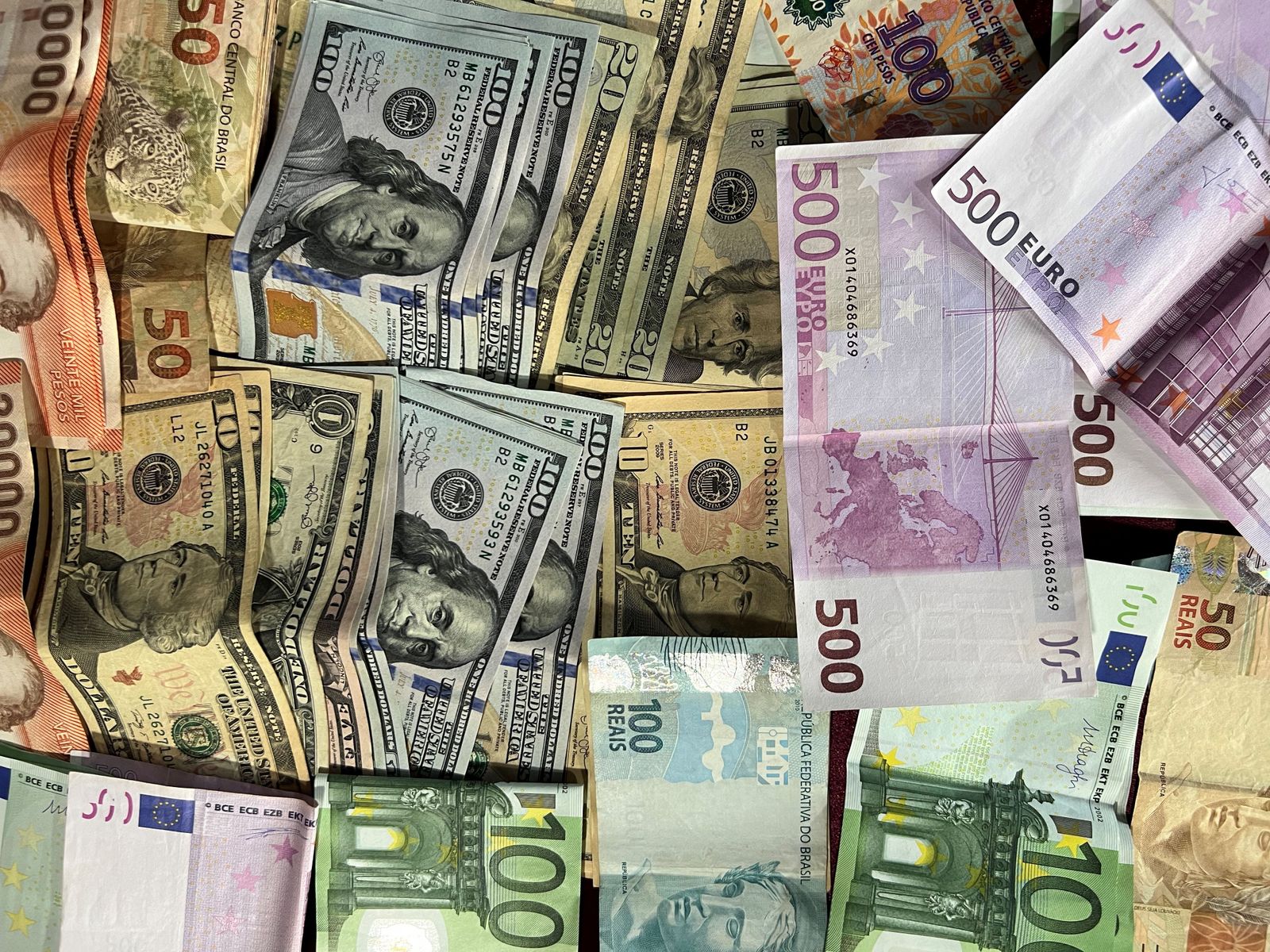
Currencies are always traded in pairs, because to buy one you must sell another. A pair such as EUR/USD tells you the price of the euro measured in US dollars. The first currency is called the base currency and the second is the quote currency. If EUR/USD is trading at 1.10, it means one euro is worth 1.10 US dollars.
When you expect the base currency to strengthen, you buy the pair, which traders call going long. When you expect it to weaken, you sell the pair, known as going short. Being able to profit in either direction is one of the features that makes forex flexible for newcomers.
You will also notice two prices quoted at once: the bid, which is the price you can sell at, and the ask, which is the price you can buy at. The small gap between them is called the spread, and it is effectively the cost of entering the trade.
Lesson 3: Key Terms Every Beginner Needs
A handful of terms come up constantly in forex. Once these click into place, most trading conversations start to make sense. Here is your beginner glossary.
- Pip – the smallest standard price move in most pairs, usually the fourth decimal place. If EUR/USD moves from 1.1000 to 1.1001, that is one pip. Pips are how traders measure profit and loss.
- Lot – the size of your trade. A standard lot is 100,000 units of the base currency, but beginners typically trade mini lots (10,000) or micro lots (1,000) to keep risk small.
- Spread – the difference between the buy and sell price, and the main cost of a trade on most accounts.
- Leverage – borrowed capital that lets you control a larger position than your deposit alone. Leverage of 1:30 means £100 can control £3,000 in the market. It magnifies gains and losses equally, so it must be handled with care.
- Margin – the deposit your broker sets aside to keep a leveraged position open. If the market moves against you too far, you may receive a margin call.
Lesson 4: Reading the Market
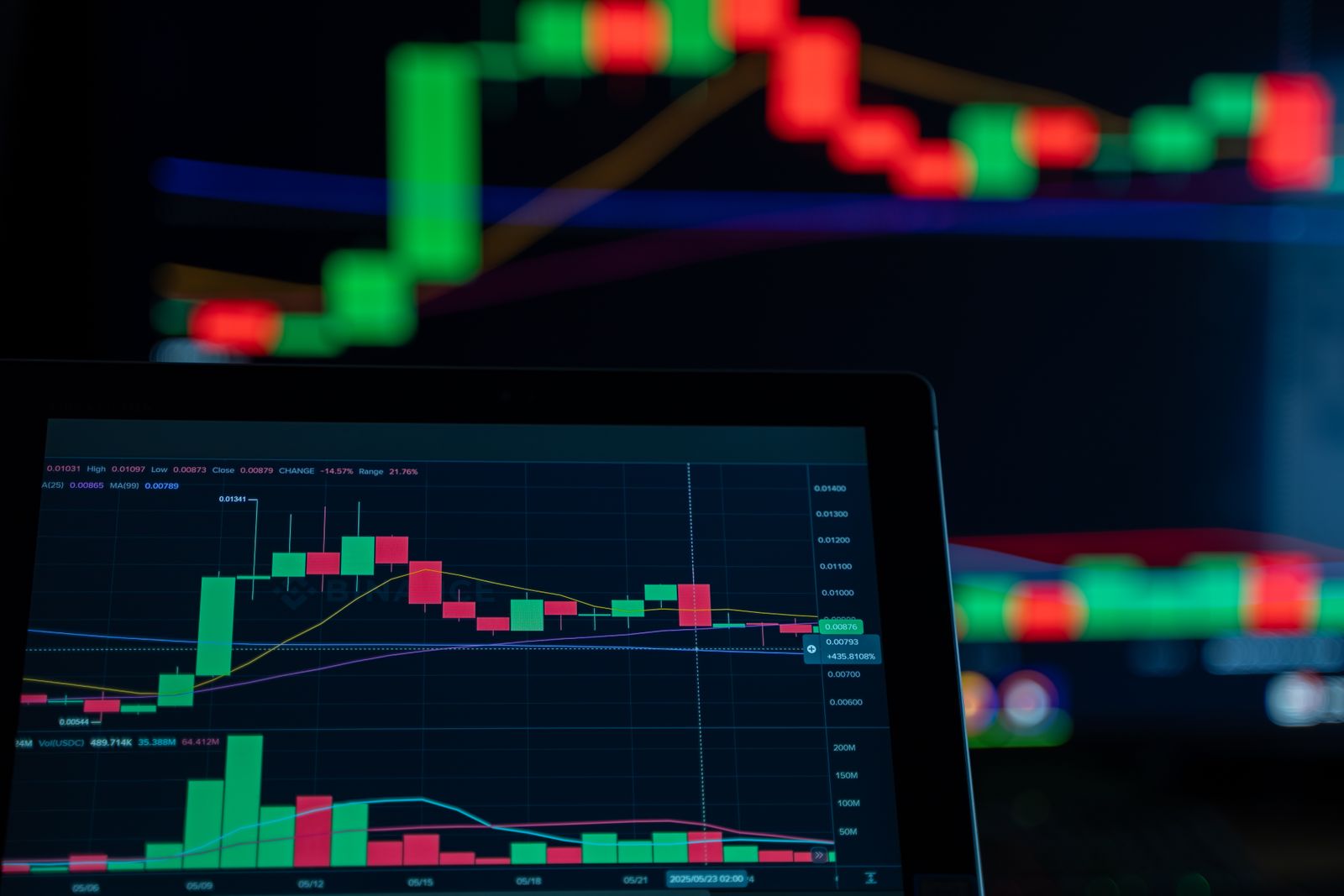
Prices in forex are usually displayed on a candlestick chart. Each candle shows four things for a chosen period: the opening price, the closing price, and the highest and lowest points reached. A quick glance at a run of candles tells you whether buyers or sellers were in control, and how strongly.
Beginners often start with support and resistance, the price levels where a market has repeatedly stalled or reversed. From there, traders look for repeatable chart patterns that hint at what might happen next. Our own method is built on three complementary tools: harmonic patterns, classic chart patterns, and directional patterns, applied across all timeframes to find high-probability setups.
You do not need to master all of this at once. Watch it explained visually in our free video lessons and on our YouTube channel, and when you are ready to understand the reasoning behind the method, explore the documented Theoretical Framework that our trading is based on.
Lesson 5: Risk and Money Management
This lesson matters more than any pattern or indicator. New traders often focus on how much they could win, but experienced traders focus first on how much they could lose. Protecting your capital is what keeps you in the game long enough to improve. The material here is educational and is not financial advice.
Three habits form the foundation of sensible risk management. First, always use a stop-loss, a pre-set level where your trade closes automatically if the market moves against you, so a single trade can never do serious damage. Second, size your positions so you only risk a small share of your account on any one trade; many traders cap this at one to two percent. Third, never trade with money you cannot afford to lose, and never let leverage tempt you into positions larger than your plan allows.
Tools can help you stay disciplined. Explore our Indicators and Expert Advisors, designed to support money and risk management, and reinforce the ideas with the free Risk Management Basics and Money & Risk Management quizzes on our Free Forex Learning Resources page.
Lesson 6: Take Your First Steps and Practice
The single best way to learn forex is to practise without risking real money first. Start on a demo account, where you trade live prices with virtual funds, and build a simple routine: pick one or two currency pairs, follow them daily, and keep a short journal of every trade and the reason behind it. Consistency teaches far more than any one big win.
When you are ready to test yourself, work through the free video-and-quiz lessons on our Free Forex Learning Resources page. To go further, take on the interactive quiz bot and sharpen your skills in the live trading simulator, both of which live inside our free Discord community. When you want structured, in-depth training, explore our membership and join a community of traders learning together.
Frequently Asked Questions
What is a pip in forex?
A pip is the smallest standard unit of price movement in a currency pair, usually the fourth decimal place. It is how traders measure how far a price has moved and how much a trade has gained or lost.
Is forex trading good for beginners?
Forex can suit beginners because the market is open around the clock, you can start with a small amount, and free demo accounts let you practise risk-free. That said, it carries real risk, so learning the basics and managing risk carefully come first.
How much money do I need to start trading forex?
Many brokers let you open an account with a small deposit, and micro lots mean you can trade in tiny sizes while you learn. The wiser question for a beginner is how little you can risk while practising, not how much you can put in.
Is forex trading risky?
Yes. Leverage in particular can magnify losses as well as gains, and most new traders lose money early on. This is exactly why stop-losses, careful position sizing, and demo practice are emphasised throughout this guide.