




























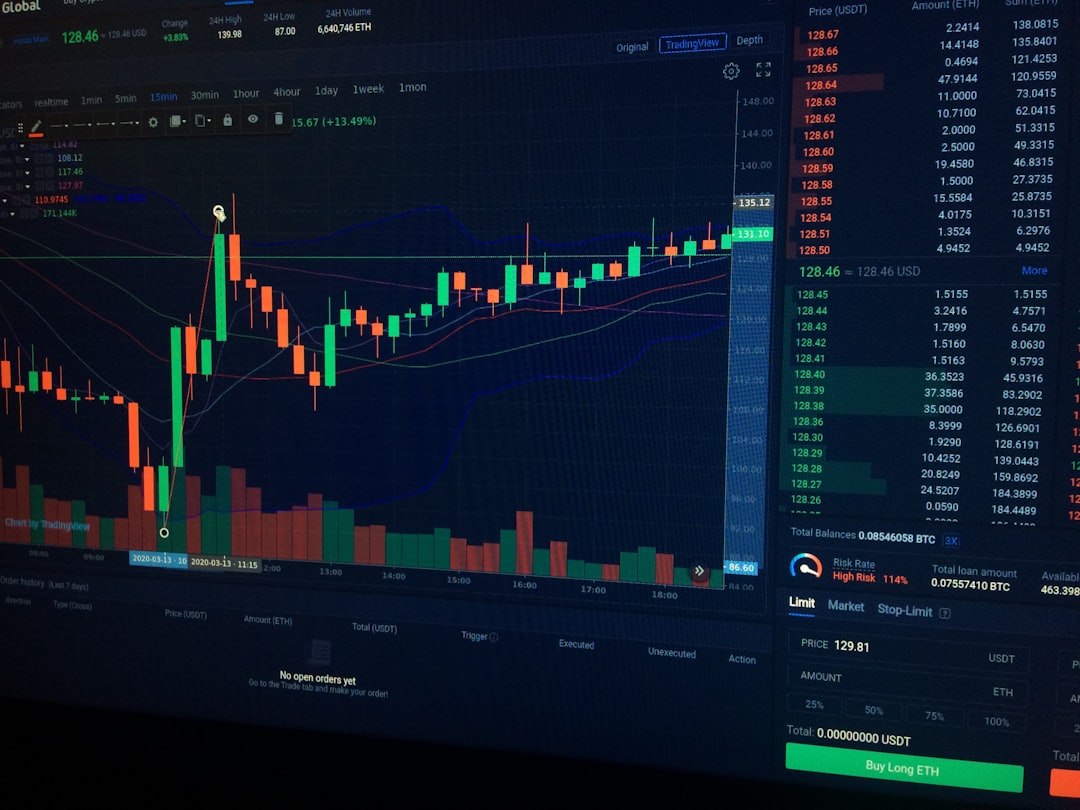
The cryptocurrency markets have continued their complex dance through late 2024, with Bitcoin holding near its all-time high territory while the broader market exhibits diverging narratives across major assets. Bitcoin’s sustained strength above the $40,000 level reflects institutional accumulation patterns and macroeconomic expectations around future monetary policy. Ethereum, meanwhile, has traded with considerably more volatility, reflecting ongoing concerns about application layer adoption and competition from alternative smart contract platforms. Meanwhile, Litecoin and Solana have shown distinct price action that tells different stories about market sentiment and specific ecosystem developments. Understanding these movements requires more than just technical analysis—it demands the kind of disciplined decision-making under market stress that separates theoretical traders from those generating consistent results.
Bitcoin’s current price action should be understood within the context of on-chain metrics that traders monitor closely. Large accumulation patterns from institutional wallets have been documented, suggesting confidence in medium-term valuations despite macroeconomic uncertainty. The network’s realized price—a metric that tracks the average price at which coins last moved—has become a key reference point for identifying potential support and resistance levels. Bitcoin holders have generally maintained positions rather than capitulating, which contrasts sharply with previous bear market cycles. This behavioral difference matters because it suggests a different market structure, though traders must remain cautious about extrapolating past patterns into future price discovery.
Ethereum’s performance has been more subdued, with the token struggling to establish clear directional conviction. On-chain data shows that staking participation remains robust despite price weakness, indicating that believers in the protocol haven’t abandoned positions. However, the token’s correlation with Bitcoin has increased during volatile periods, suggesting that macro sentiment weighs more heavily than application-specific catalysts. Traders have been watching Ethereum’s ability to hold above certain technical support levels as a barometer for broader market health. The narrative around Ethereum’s transaction costs and network throughput has remained largely unchanged, meaning price movements are driven more by market cycle dynamics than fundamental protocol developments.
🚀 Upgrade Your Trading Experience
Join Only Signals Subscription Harmonics Pro Trader Basic Harmonics Pro Trader Intermediate Harmonics Pro Trader AdvancedSolana has exhibited characteristic volatility, with the token showing both strong rallies and sharp corrections within relatively tight timeframes. The ecosystem’s continued development of decentralized applications and non-fungible token activity has provided some fundamental support for the narrative, though token price doesn’t always track ecosystem development linearly. Litecoin, traditionally viewed as a store-of-value narrative closer to Bitcoin than other alternatives, has traded with relative stability but without capturing significant attention from the broader trading community. Both assets serve as reminders that market capitalization alone doesn’t determine trading opportunity or volatility potential.
The critical distinction between traders who succeed and those who struggle often comes down to execution under pressure. Two traders might understand identical risk management principles and probability frameworks, yet produce vastly different results. The trader who maintains discipline during rapid drawdowns, who avoids revenge trading after losses, and who sticks to predetermined position-sizing rules will consistently outperform the trader whose emotions override their technical knowledge when markets move against them. This psychological dimension becomes especially relevant during cryptocurrency volatility, where 10-15% daily swings are not unusual. Markets reward those who think clearly when their capital is at risk, not merely those who understand theory when markets are calm.